

The day started rainy, so we left ready. What we didn’t expect was how cold it was — a real shock to our systems after the warm temps back home.
We split up into the boys’ and girls’ cars for the day. The girls had an 11:00 a.m. reservation for the special King Tut exhibit, while the boys headed into Asheville for lunch at Juicy Lucy’s, a local favorite just south of Biltmore Village known for its stuffed burgers and laid-back vibe.

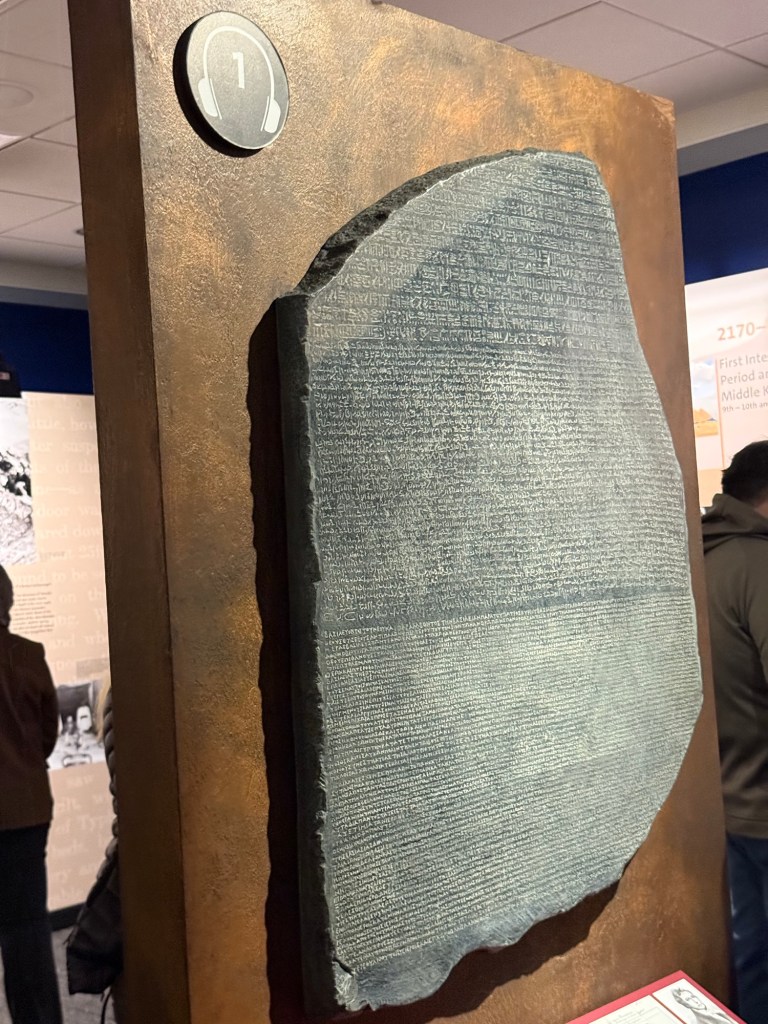
At 11:00 a.m., we visited Tutankhamun: His Tomb and His Treasures — an extraordinary exhibit that recreated the discovery of King Tut’s burial chamber exactly as it appeared when unearthed in 1922. The first thing we saw was the Rosetta Stone — the key that unlocked the mystery of ancient Egypt. Until its discovery in 1799, no one could read hieroglyphics. The stone contained the same message written in three languages — Greek, Demotic, and hieroglyphic — which allowed scholars to finally translate the ancient writing and understand Egypt’s history. Without it, the story of King Tut might never have been known.
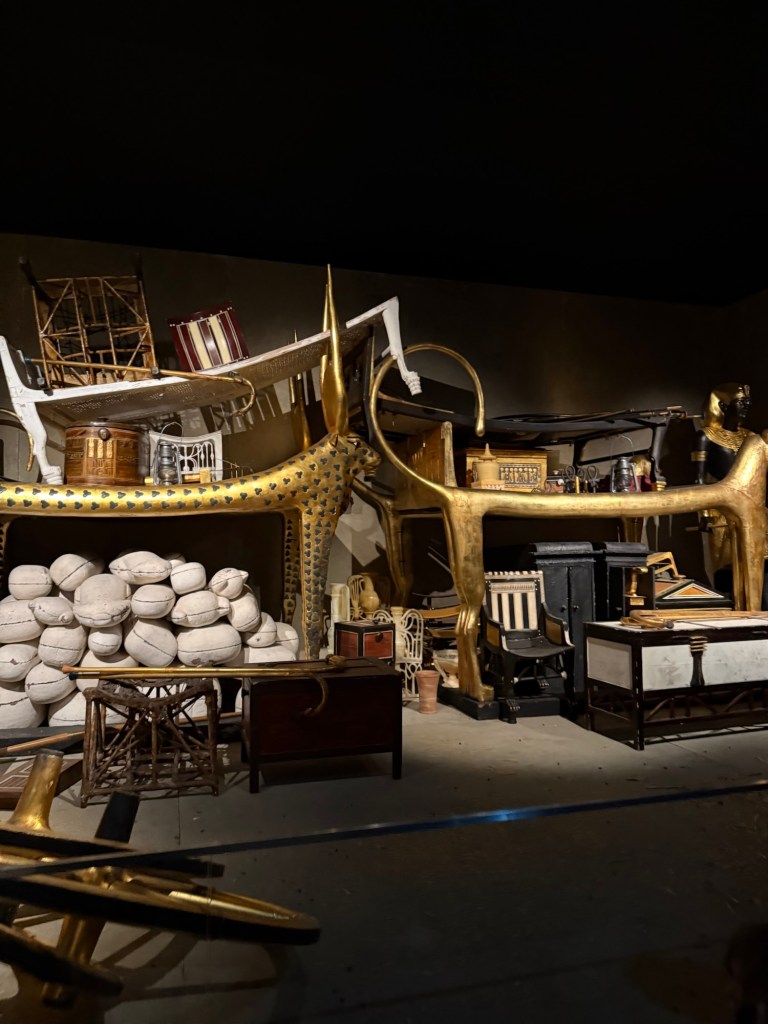
When Howard Carter discovered King Tutankhamun’s tomb in 1922, the first space he entered was the antechamber — a room packed floor to ceiling with treasures meant for the afterlife. Hidden deep beneath the desert floor and sealed for more than 3,000 years, the chamber held gilded furniture, chariots, and everyday objects scattered as if hurriedly placed. It was the first glimpse of a nearly untouched royal burial, offering the world an unprecedented look at ancient Egyptian life and ritual.
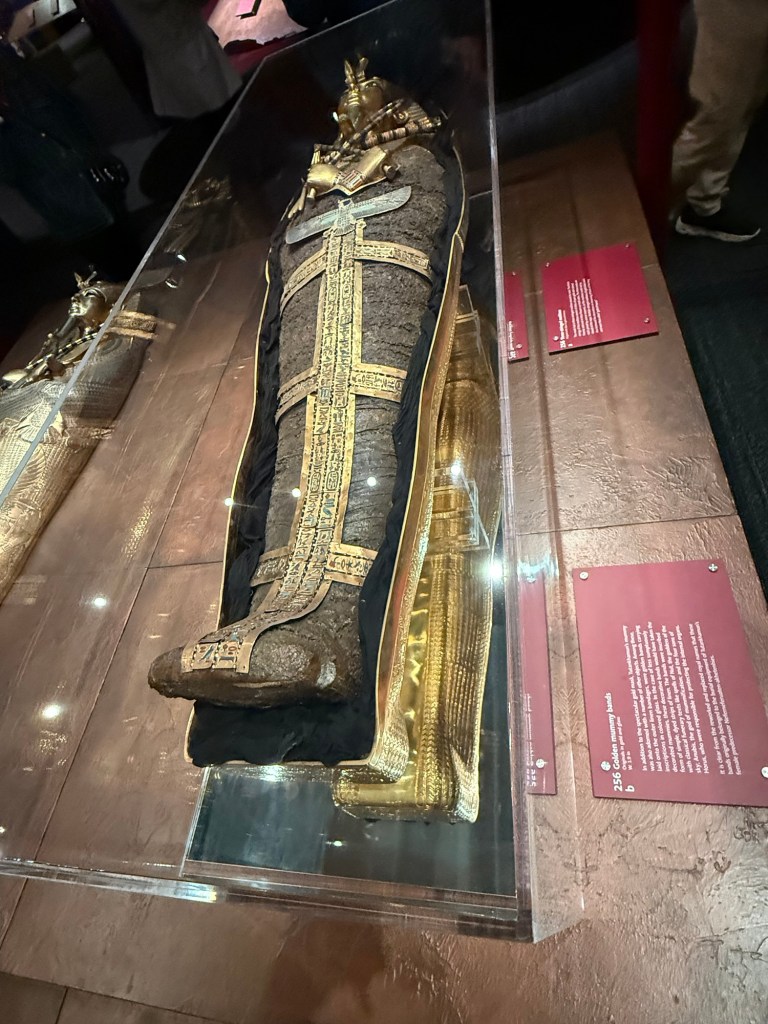
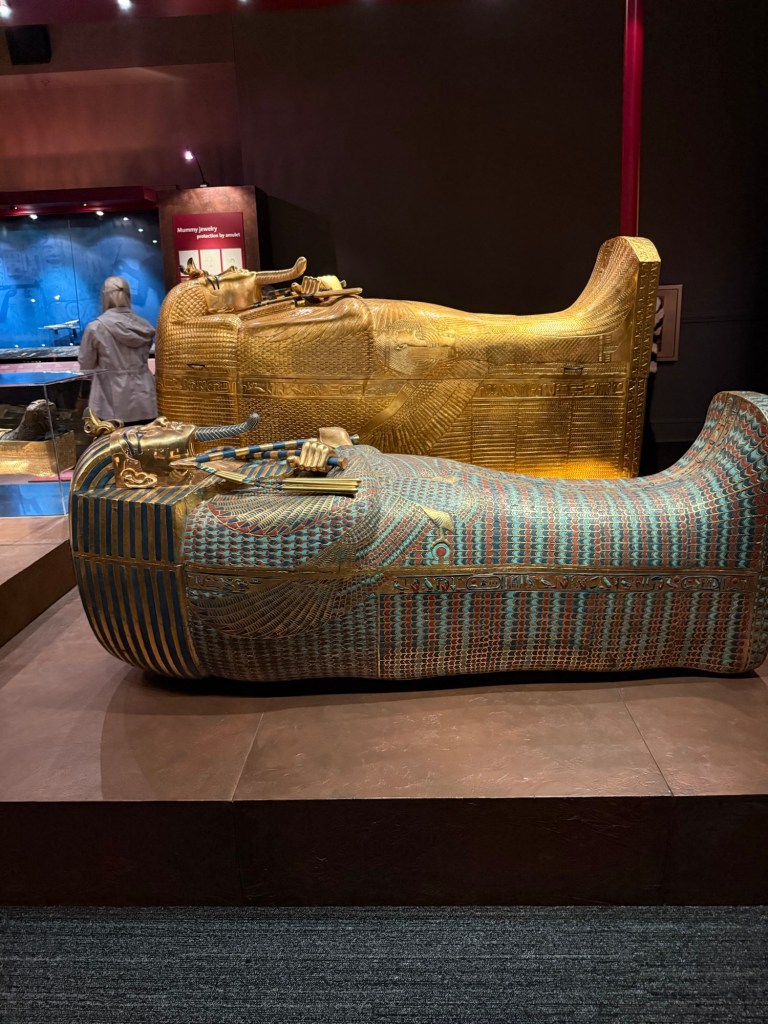
Behind the antechamber lies the burial chamber, the sacred heart of the tomb and King Tut’s final resting place. I always thought there was just one coffin — the famous golden one — but there were actually several. His mummy was placed inside multiple nesting coffins, all enclosed within a series of gilded shrines, each fitting snugly inside the next like golden boxes buried deep beneath the desert floor. The sheer amount of gold and detail was breathtaking. The walls around him were painted with vivid scenes of his journey to the afterlife, and because the tomb was found nearly untouched, it offered an extraordinary glimpse into the splendor of ancient Egypt.
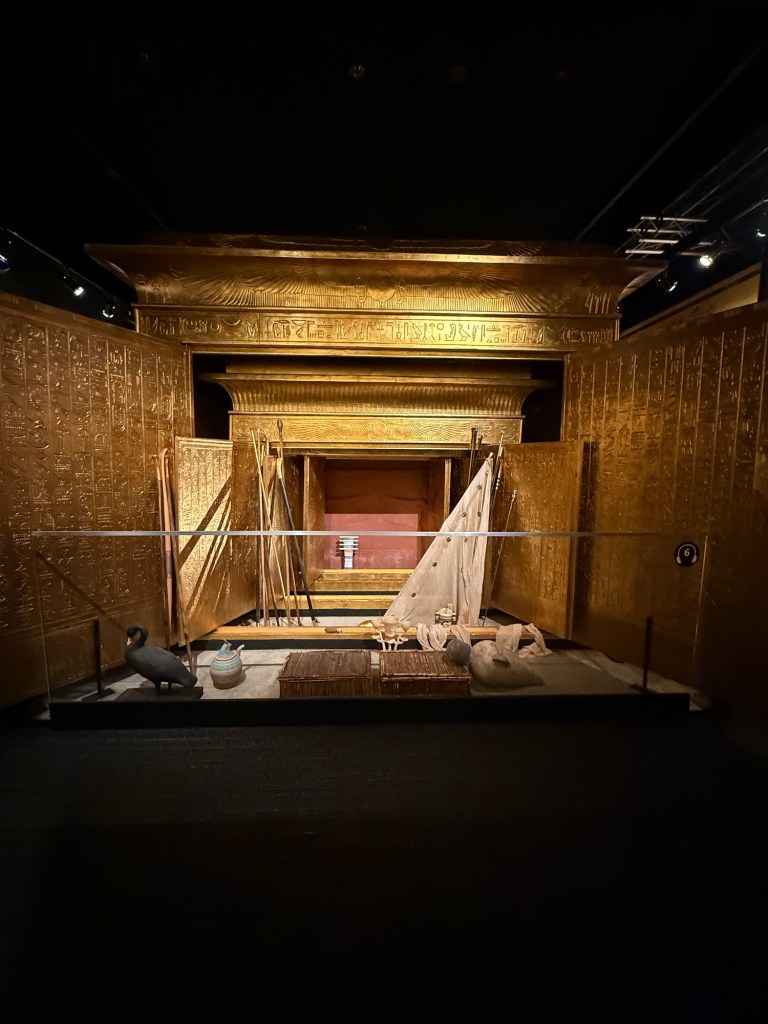
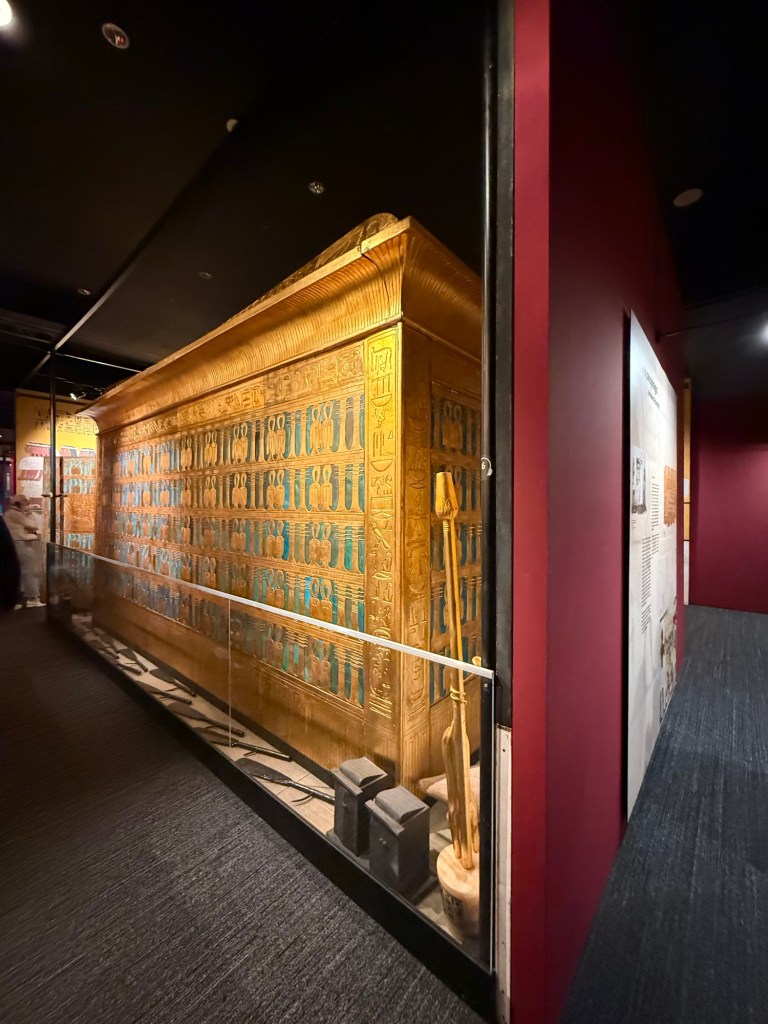
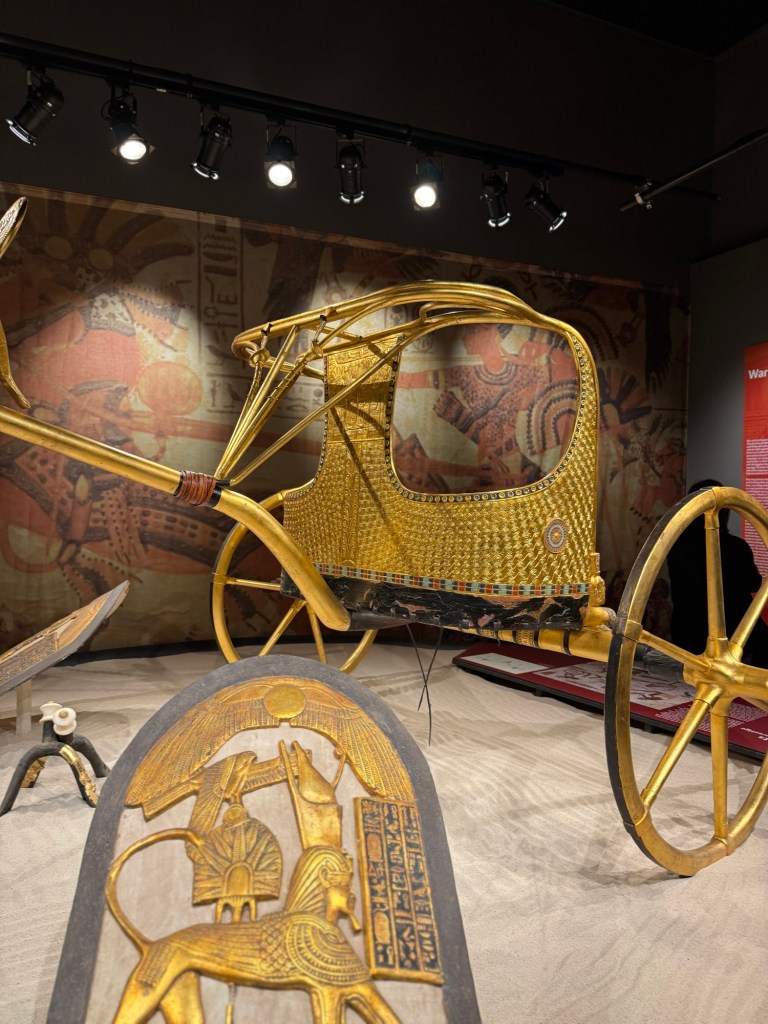
The last thing we saw was a chariot — one of the many found in his tomb — gleaming with gold and intricate carvings. Seeing it up close made it easy to imagine how young Tut might have looked riding through the desert, completely unaware that his name and image would still be remembered thousands of years later.
The experience left us in awe — and even more determined to make our dream trip to Egypt happen in 2027, to see the real Valley of the Kings and the tomb that inspired this exhibit.
Next up, the Biltmore!
Tim has often joked that I rush him through the grounds part of this tour, and Bob promised he’d make sure Tim got to see it all this time. But we didn’t plan for rain — and not just a drizzle, but a cold, steady downpour that lasted the entire day. Tim had been so excited to explore the gardens and trails, but the weather quickly made that impossible.
While we were exploring the King Tut exhibit, the guys spent their time at the Biltmore Conservatory — the grand glass greenhouse designed in the late 1890s by Richard Morris Hunt and landscape architect Frederick Law Olmsted. Originally built to supply the estate with fresh flowers and plants year-round, it’s still filled with lush greenery and vibrant blooms today, from tropical palms and orchids to delicate ferns. Even with the rain outside, they found a warm, bright escape inside one of Biltmore’s most timeless spaces.
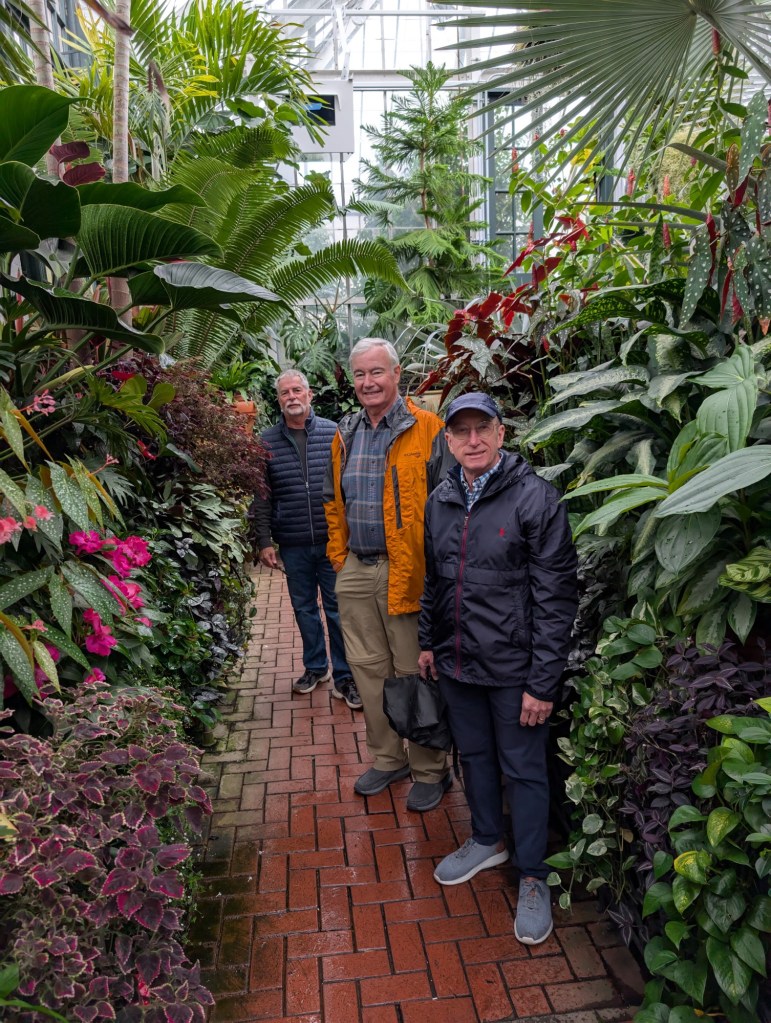
By lunchtime, we parked and walked through the steady drizzle toward the Biltmore House, wrapped in raincoats with hoods pulled tight, determined to reach the hostess stand to check in for our 1:00 p.m. reservation at the Stable Café. As we hurried along, we passed the guys waiting for their house entry time.
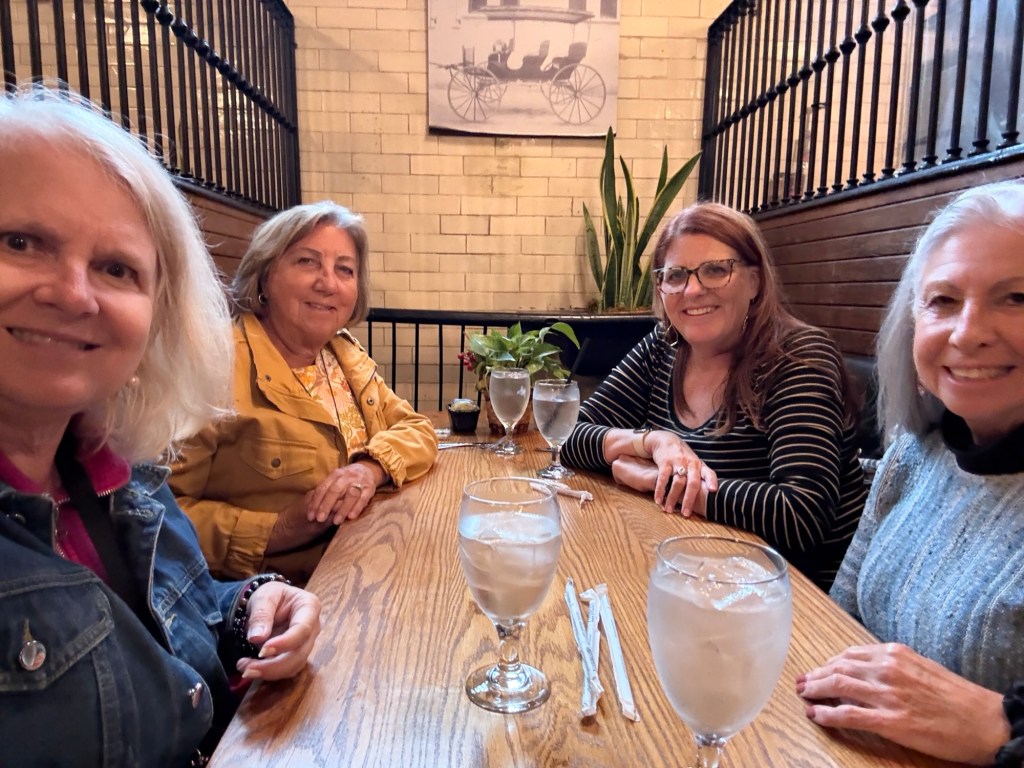
The Stable Café sits right beside the Biltmore House. The building was once the Vanderbilt family’s actual horse stable — complete with individual stalls, tack rooms, and a carriage area. It’s been beautifully restored, keeping much of its original architecture intact, including the arched stall doors and brick walls. We were seated in one of the former horse stalls — now a cozy booth — and it was the perfect spot to warm up and dry off before continuing the day.
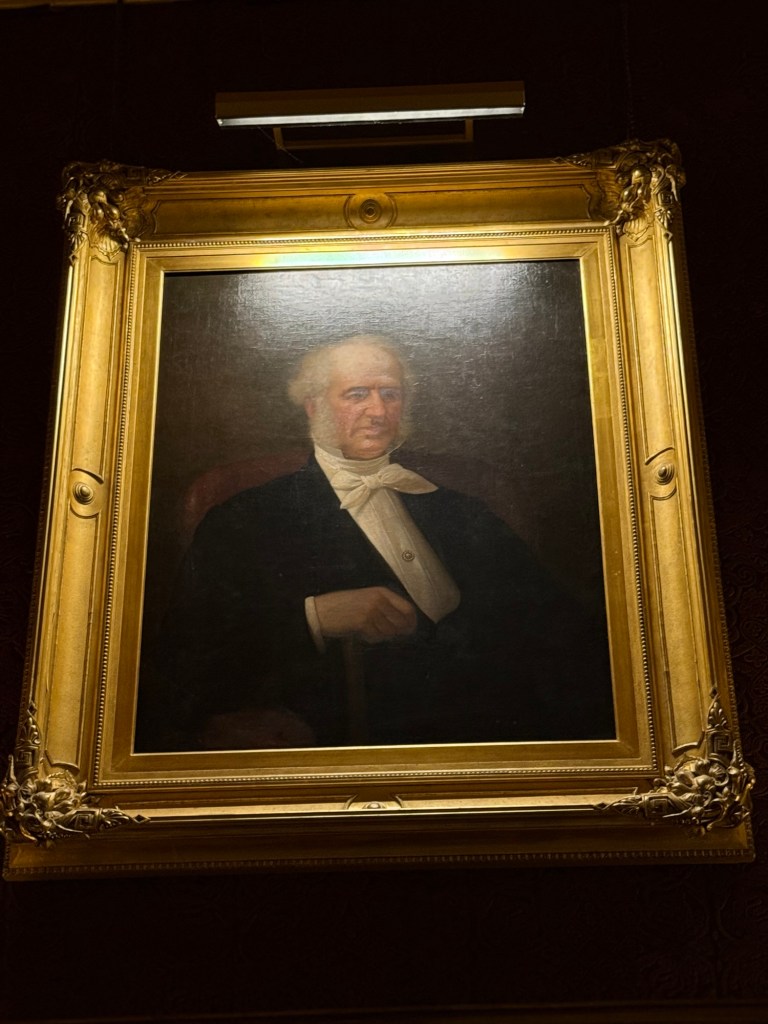
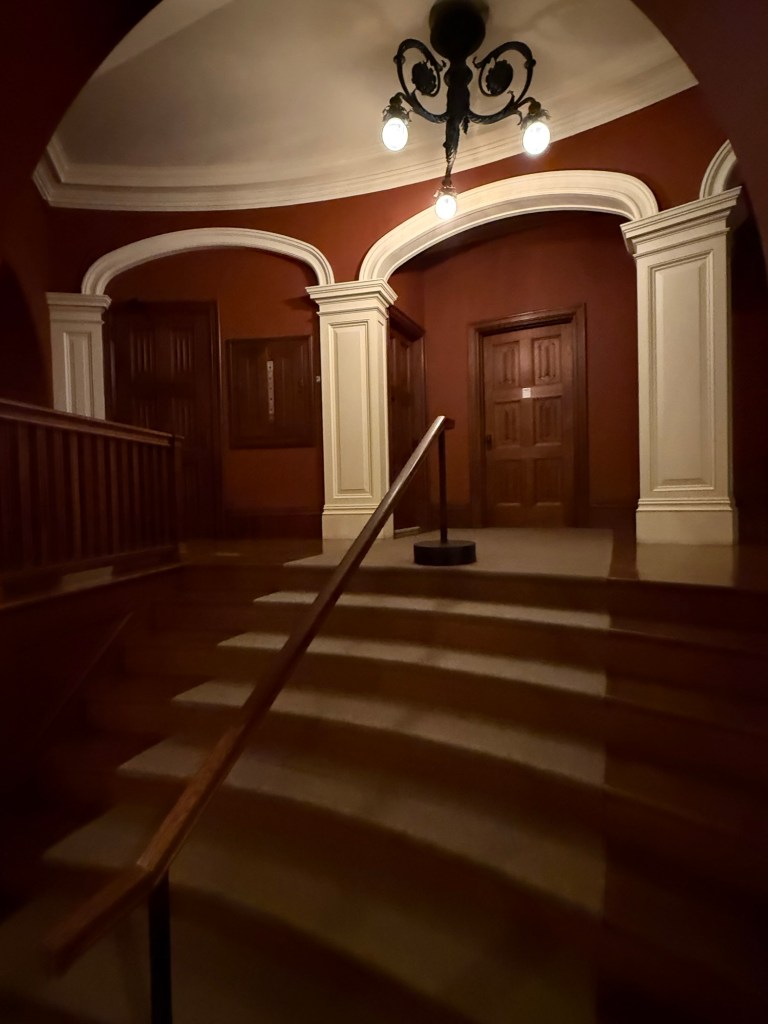
At 2:00 p.m., we began our tour of the Biltmore House. It’s the largest privately owned home in the United States — 175,000 square feet with 250 rooms. Built by George W. Vanderbilt, grandson of Cornelius Vanderbilt, between 1889 and 1895, it took six years and hundreds of craftsmen to complete. The house featured electricity, running water, and central heating long before most American homes — truly ahead of its time. The estate remains family-owned today, operated by George Vanderbilt’s descendants through the Cecil family, now in its fourth generation.
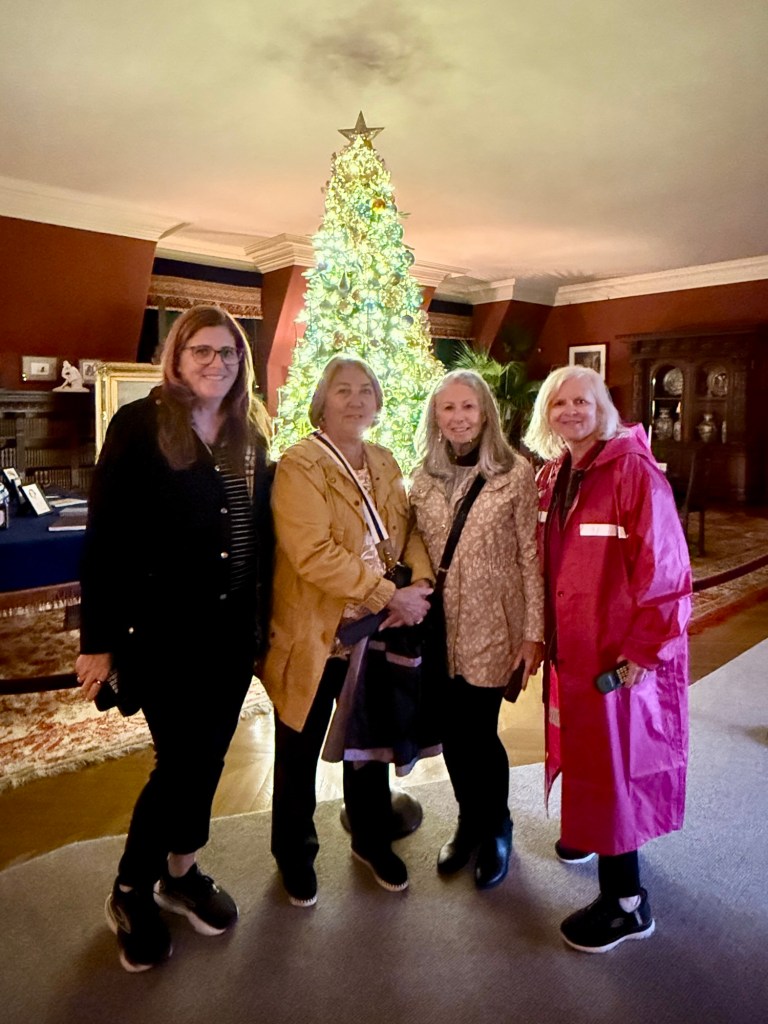
Every room in the house is impressive, but my personal favorite is the library, with its soaring ceiling, carved woodwork, and shelves that seem endless. The bowling alley and indoor pool come in close behind — both a peek into how the Vanderbilts entertained guests long before modern luxury existed.
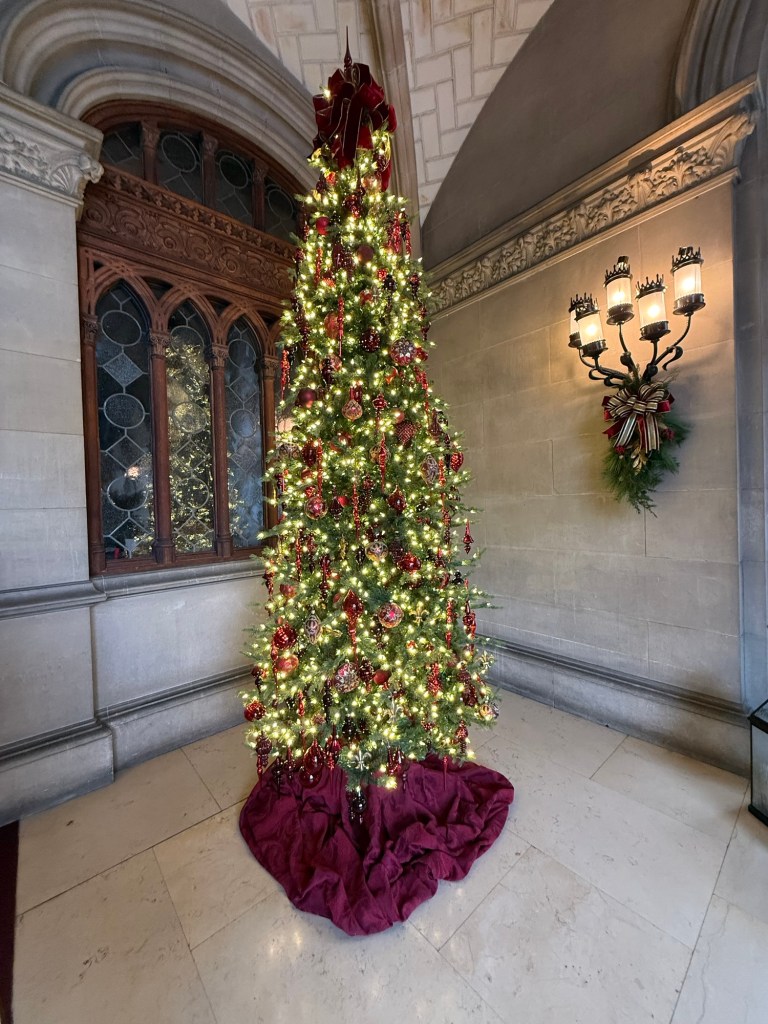
Just beyond the main entrance is the Winter Garden, a bright glass-ceilinged room filled with lush plants and flowers. With its marble floor, arches, and natural light, it served as a warm, inviting space for guests to enjoy greenery year-round — a conservatory right in the heart of the house.

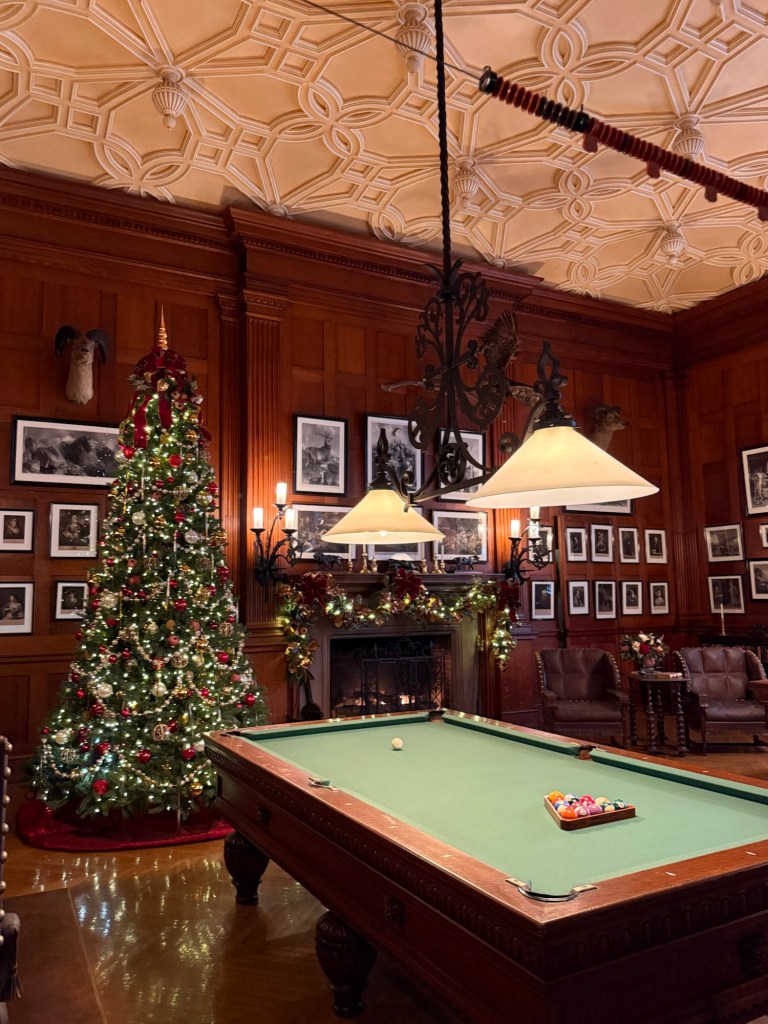
The Billiard Room at Biltmore was a favorite gathering spot for George Vanderbilt and his guests. Tucked near the bachelor wing, it features rich wood paneling, deep colors, and a large billiard table set beneath warm lighting. Guests often relaxed here after dinner for cigars, drinks, and conversation, making it one of the most social and lively rooms in the house.
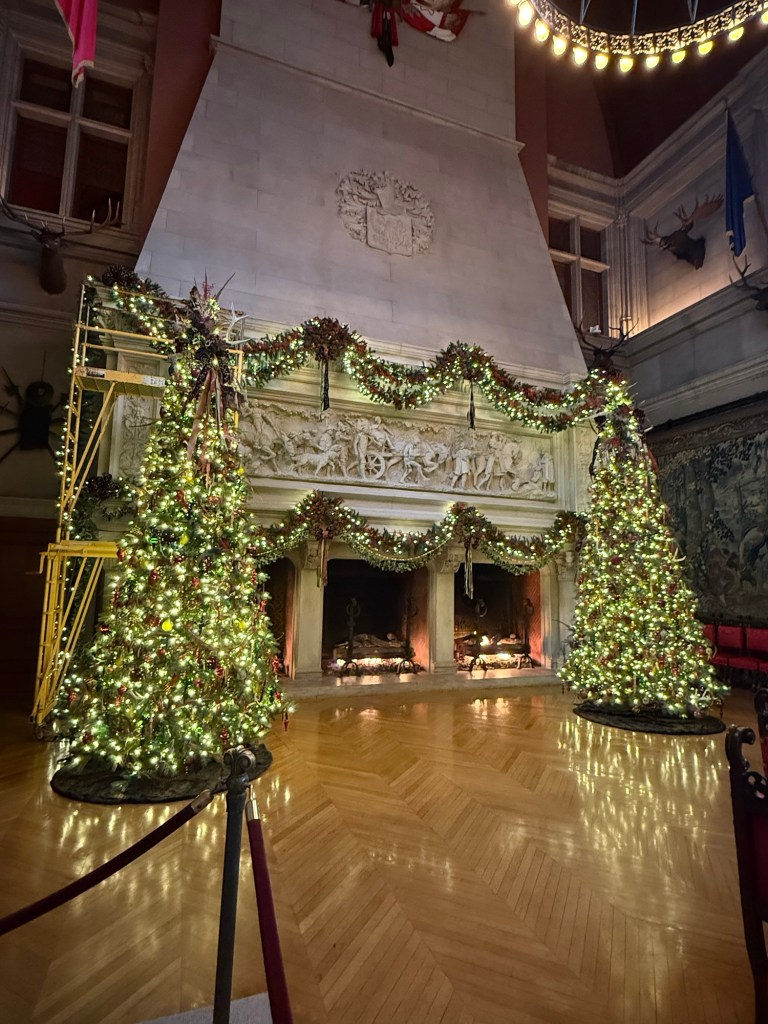
The Banquet Hall at Biltmore is the grandest room in the house, soaring 70 feet high with a triple fireplace and massive oak table. It typically seated about 38 guests but could be extended to accommodate up to 64 for special occasions, with the space itself large enough to hold over 100 people for gatherings and celebrations.
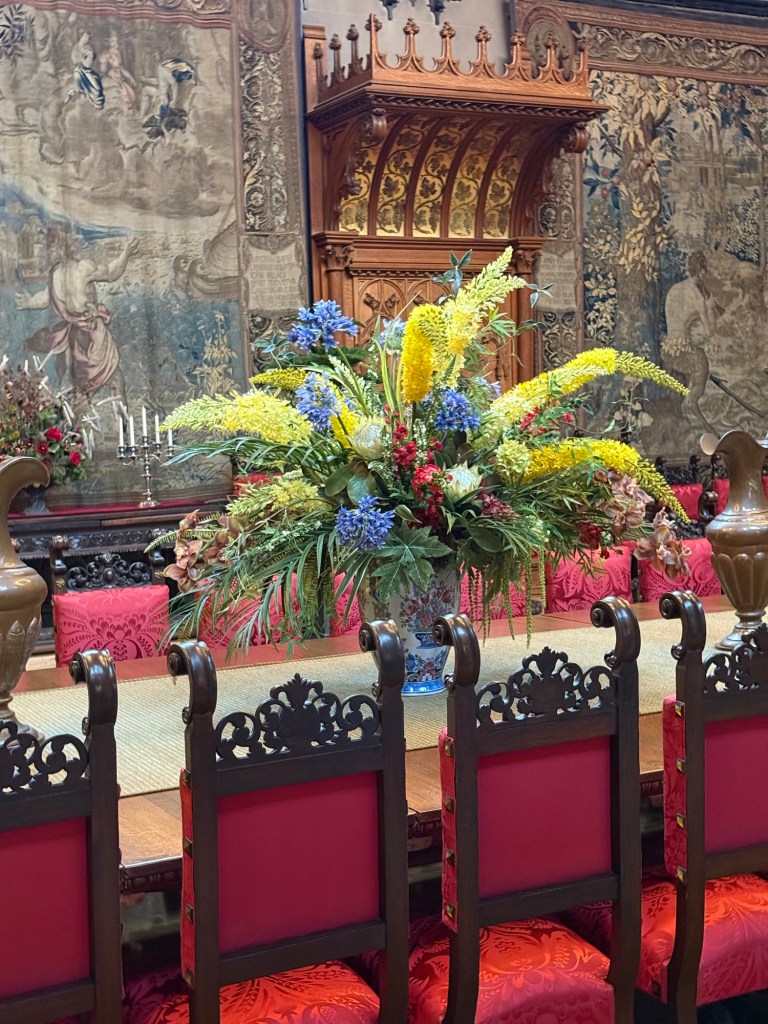
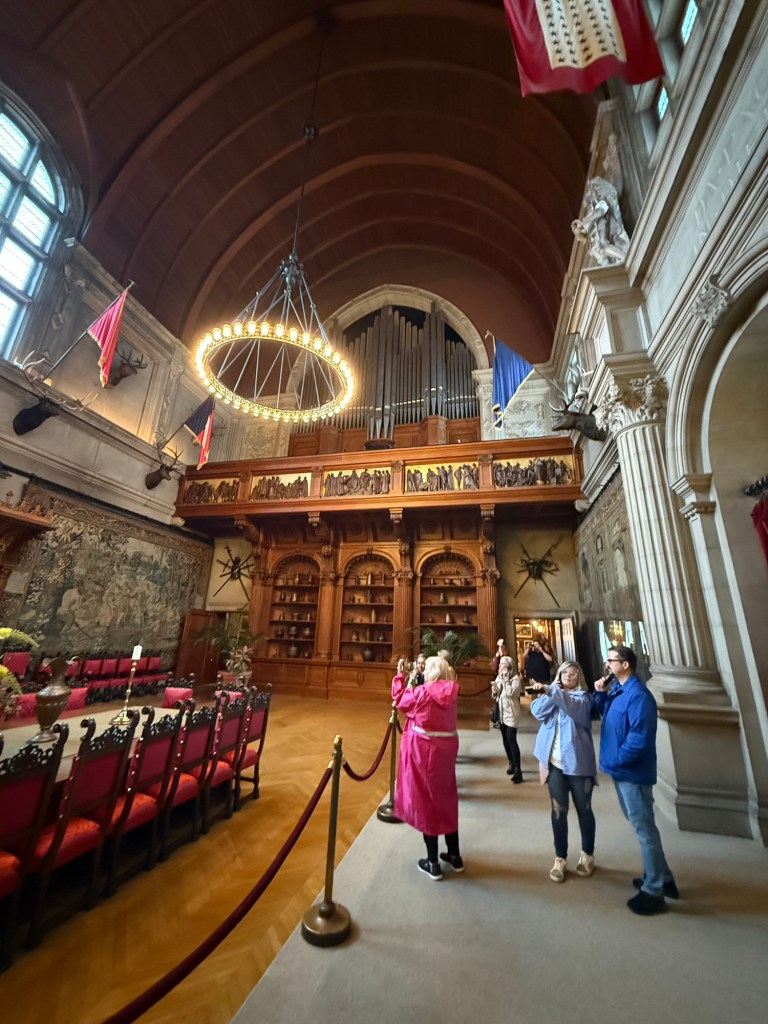
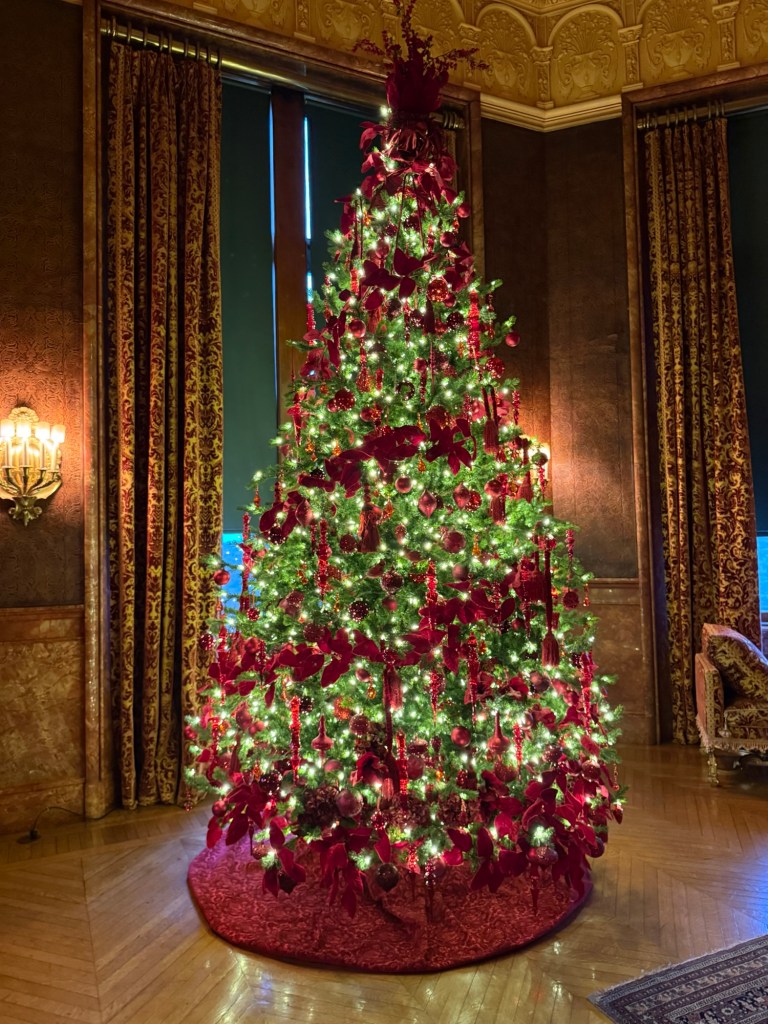
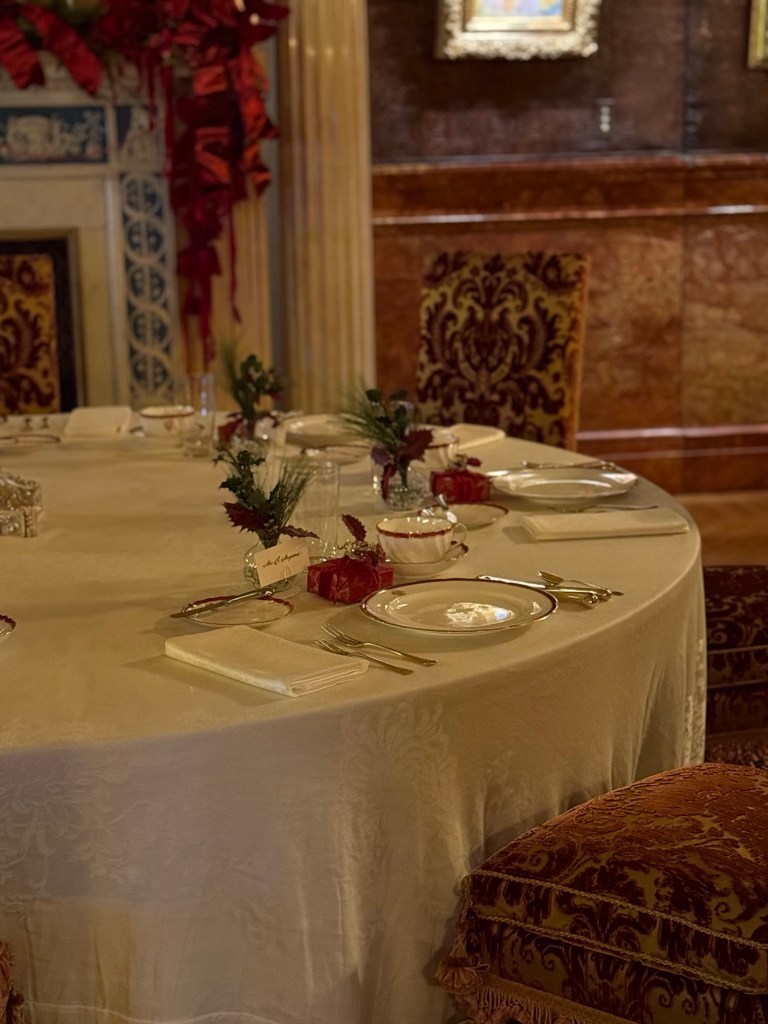
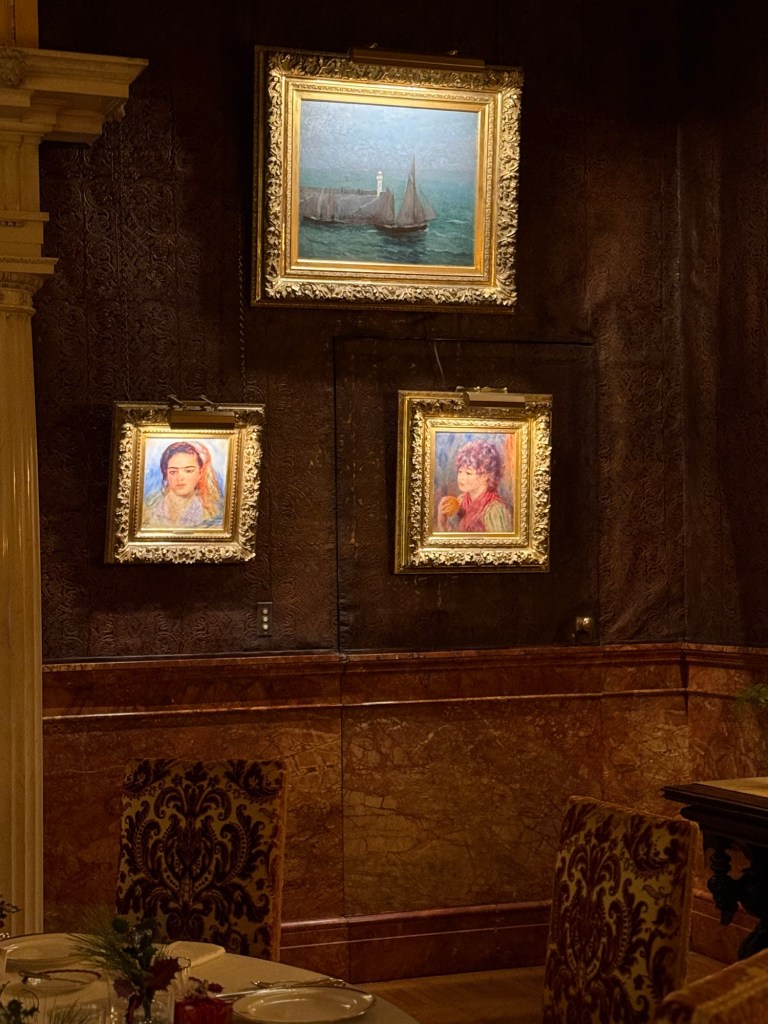
Just off the main Banquet Hall is a smaller, more intimate dining room often called the Breakfast Room. This was where the Vanderbilts dined with close friends and family when the formal dining hall felt too grand for daily meals. The room is warm and richly colored, with carved wood, patterned wallpaper, and a large fireplace anchoring the space. On its walls hang two genuine Pierre-Auguste Renoir paintings — Young Algerian Woman and Child with an Orange. George Vanderbilt personally purchased them in Paris in the 1890s, along with works by Whistler, Sargent, and Monet, helping establish one of the finest private art collections in America at the time.

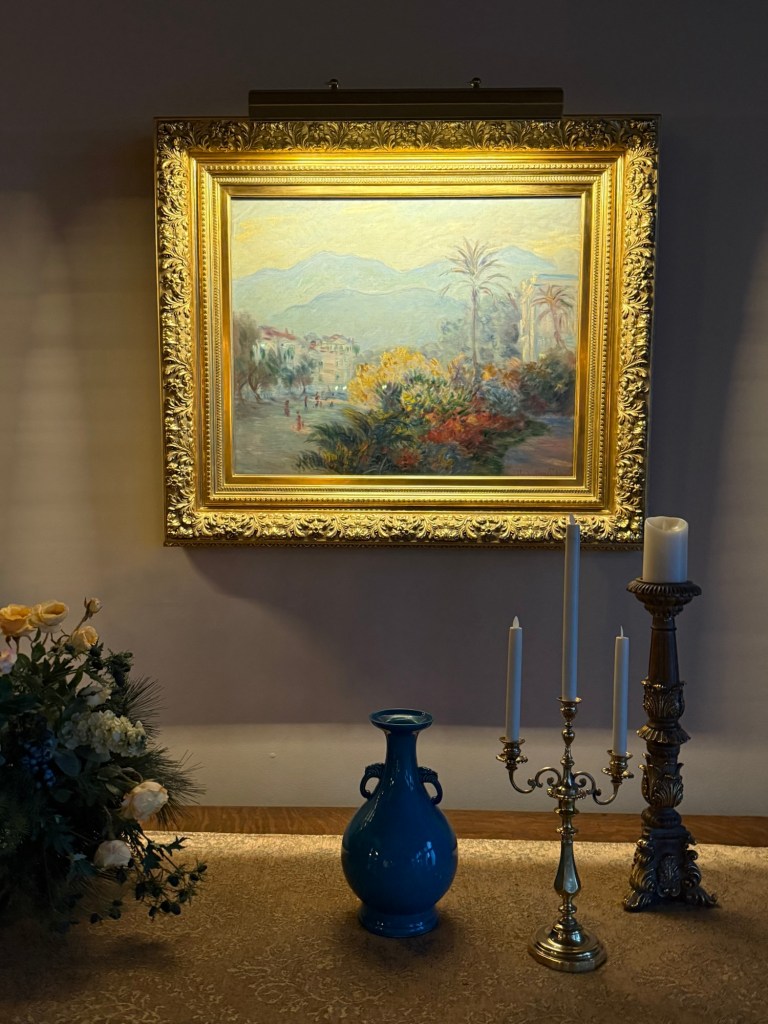
Claude Monet, “The Church at Vétheuil.”
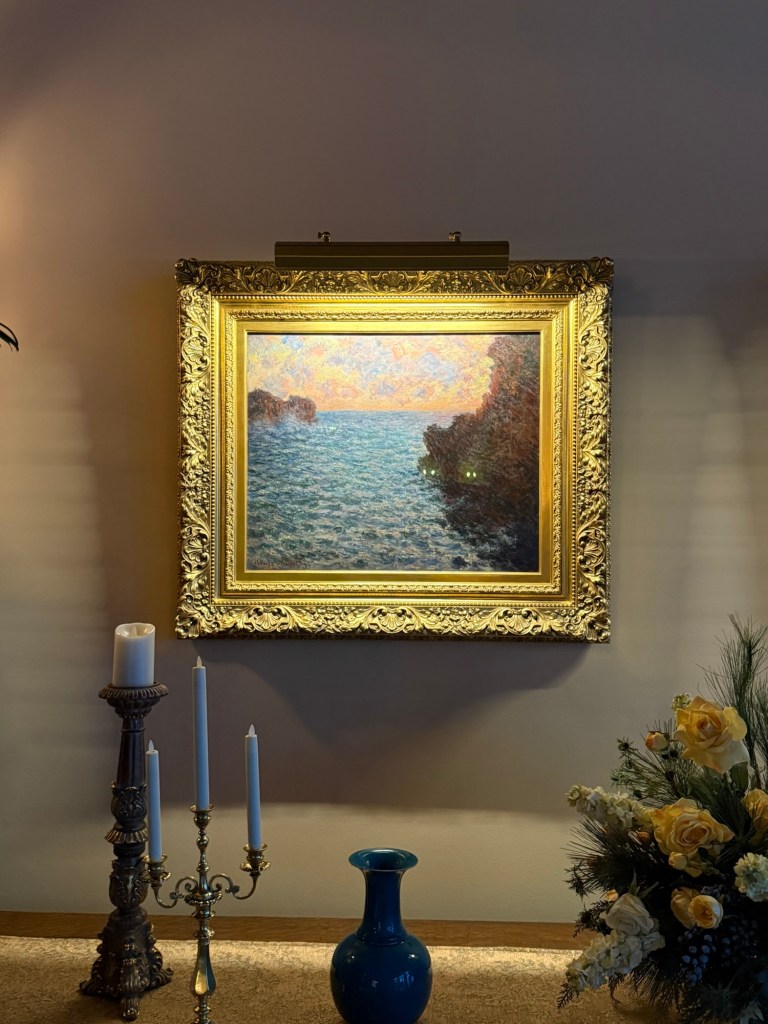
Claude Monet, “The Church at Vétheuil.”
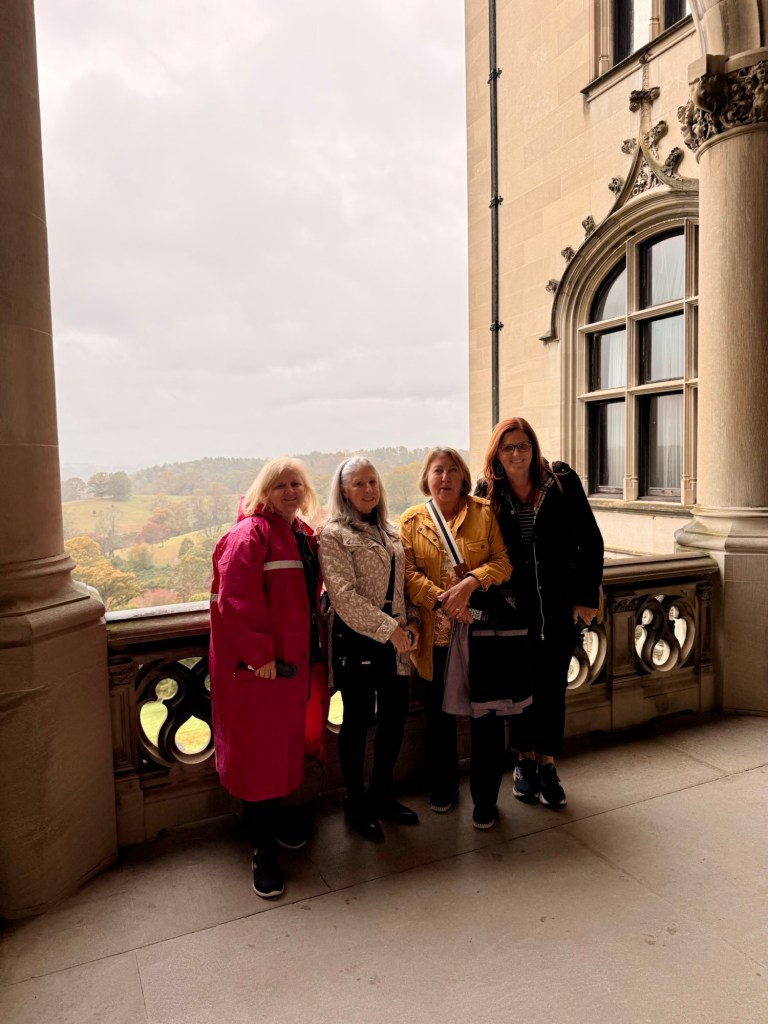
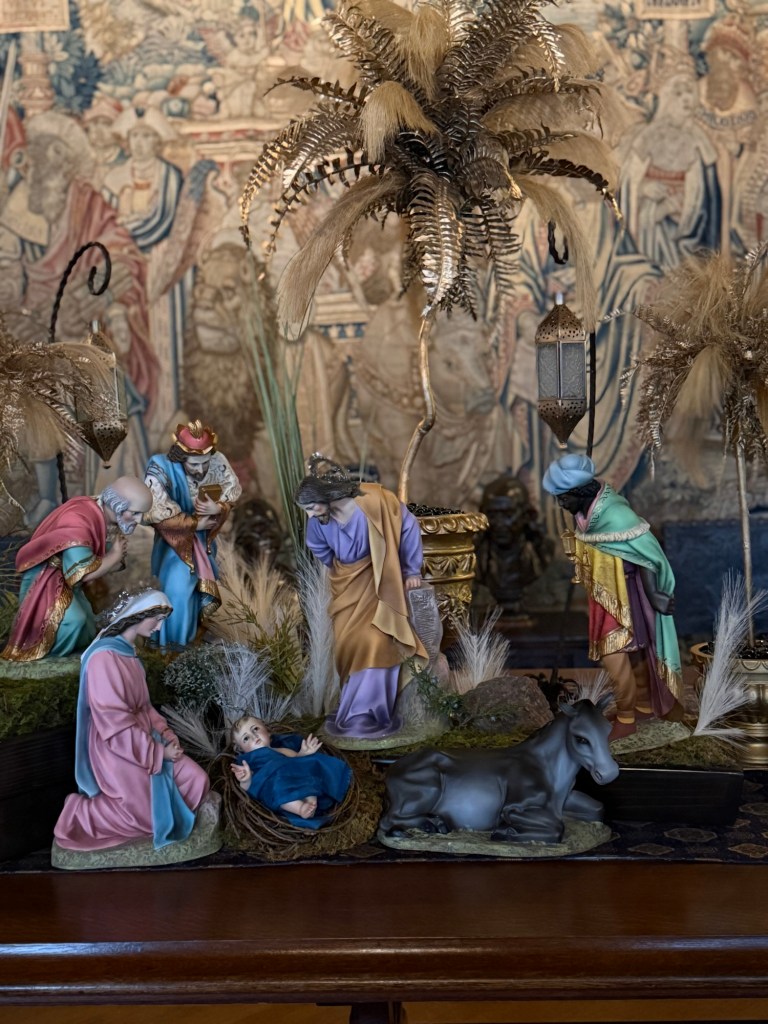

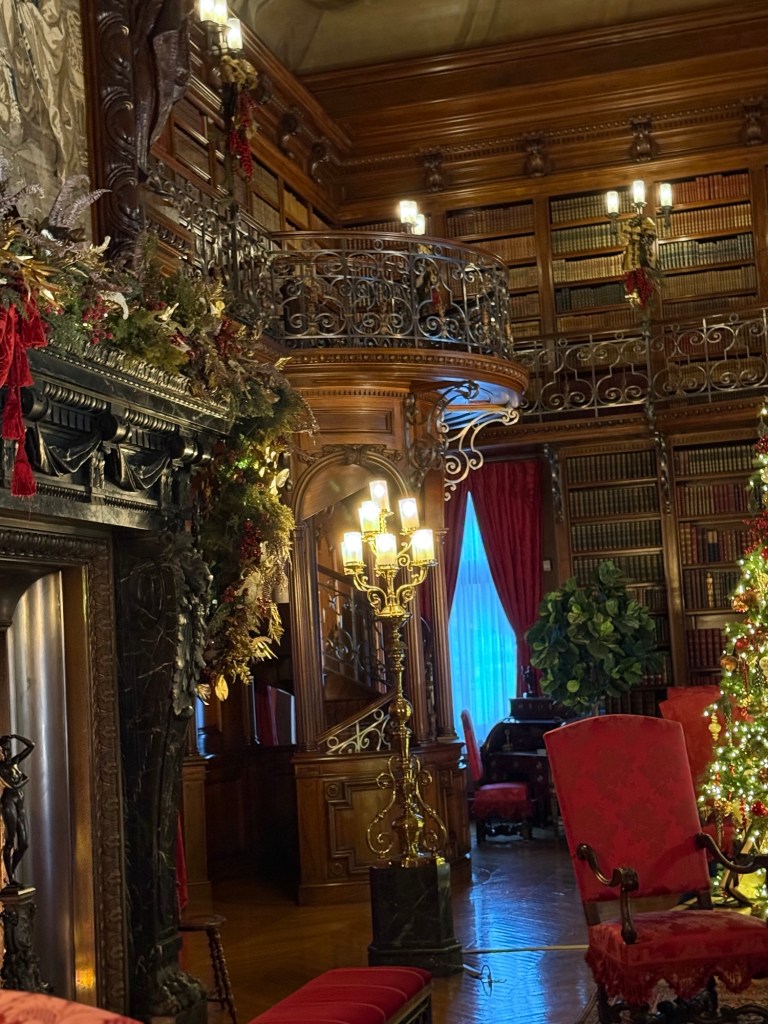
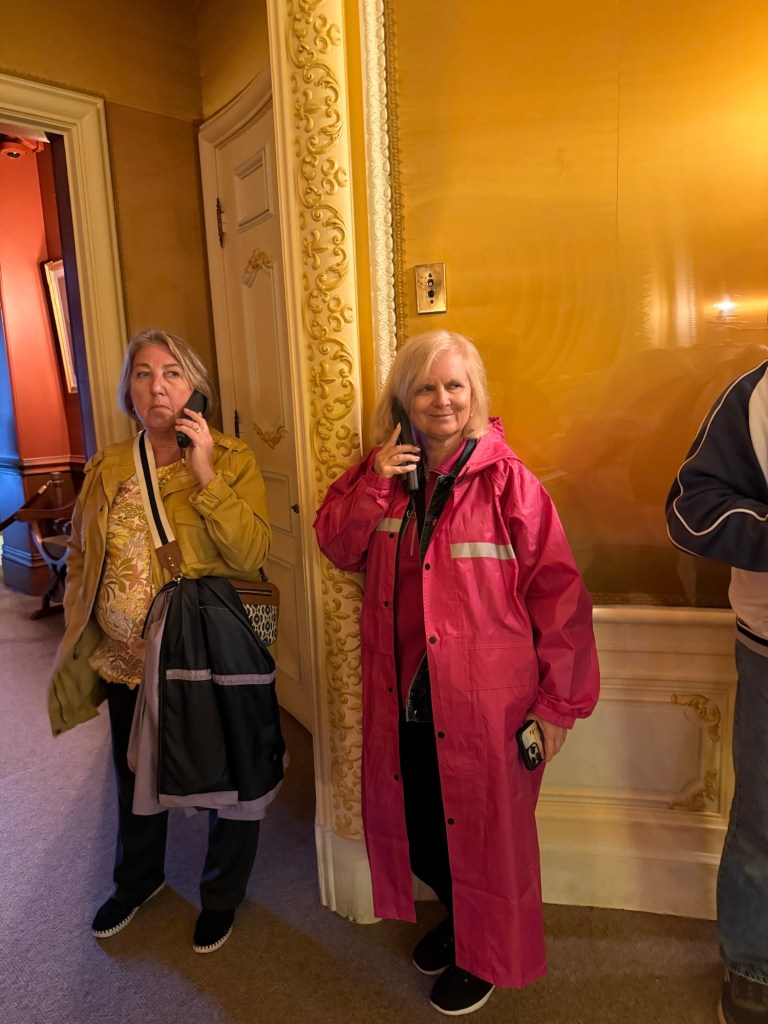

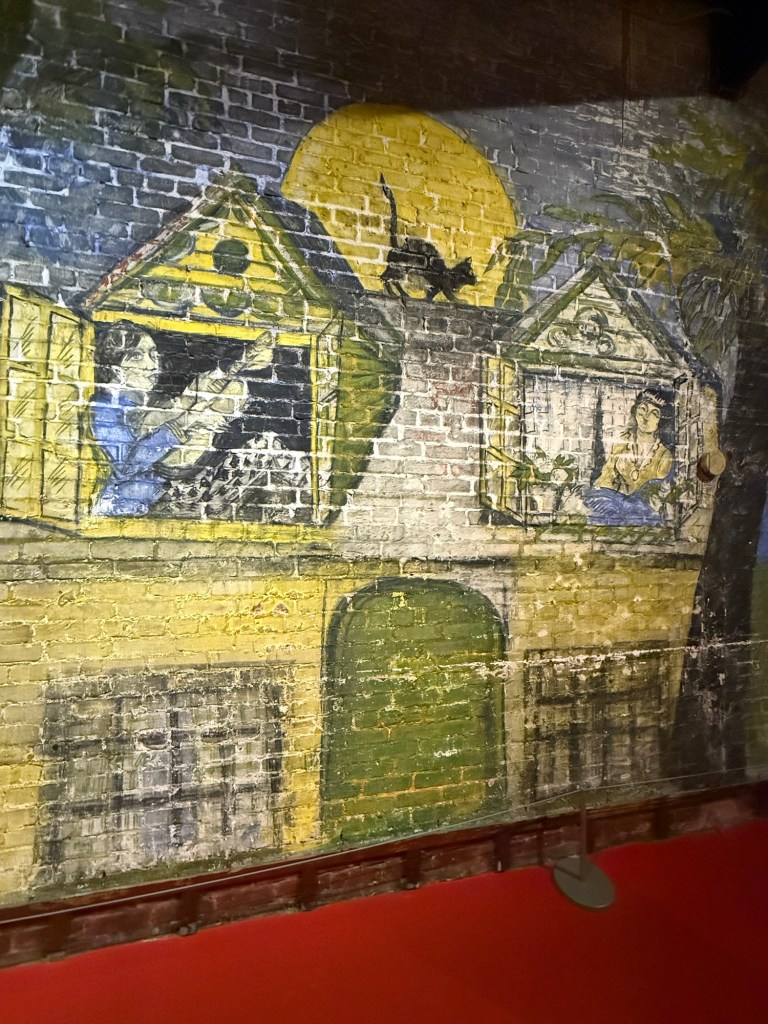
The Halloween room found in the basement was decorated around 1925, long after George Vanderbilt’s death, by his daughter Cornelia Vanderbilt Cecil and her husband John Cecil. They hosted a costume and dance party for friends, and guests painted directly on the plaster walls to celebrate the occasion.
In this part of the tour, we also learned about the estate’s laborers who maintained Biltmore’s massive grounds. They worked ten-hour days, six days a week, and when they asked to shorten their hours during the slower winter months, management instead installed outdoor lighting so they could keep working after dark — a harsh reminder of how demanding and unfair conditions could be, even in such a beautiful place.
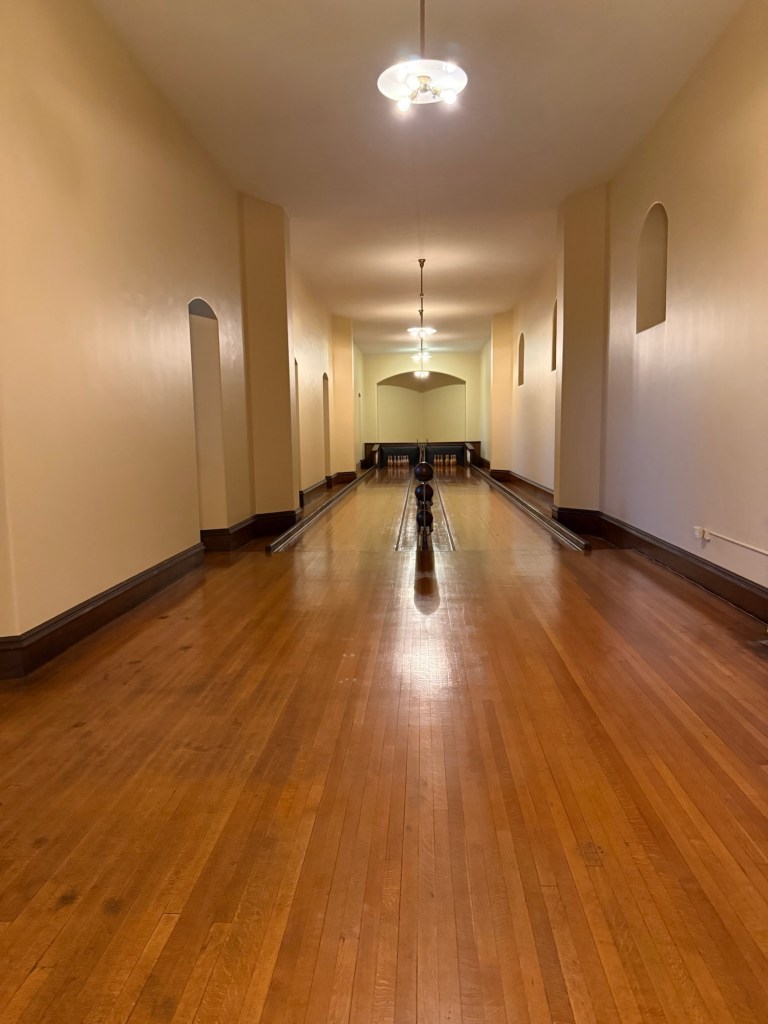
Just around the corner from the Halloween Room, the two-lane bowling alley was a marvel of its time — built in 1895. Because the setup was fully manual, attendants crouched behind a low wooden barrier at the end of the lanes, safely hidden from the rolling balls, to reset pins and send them back.
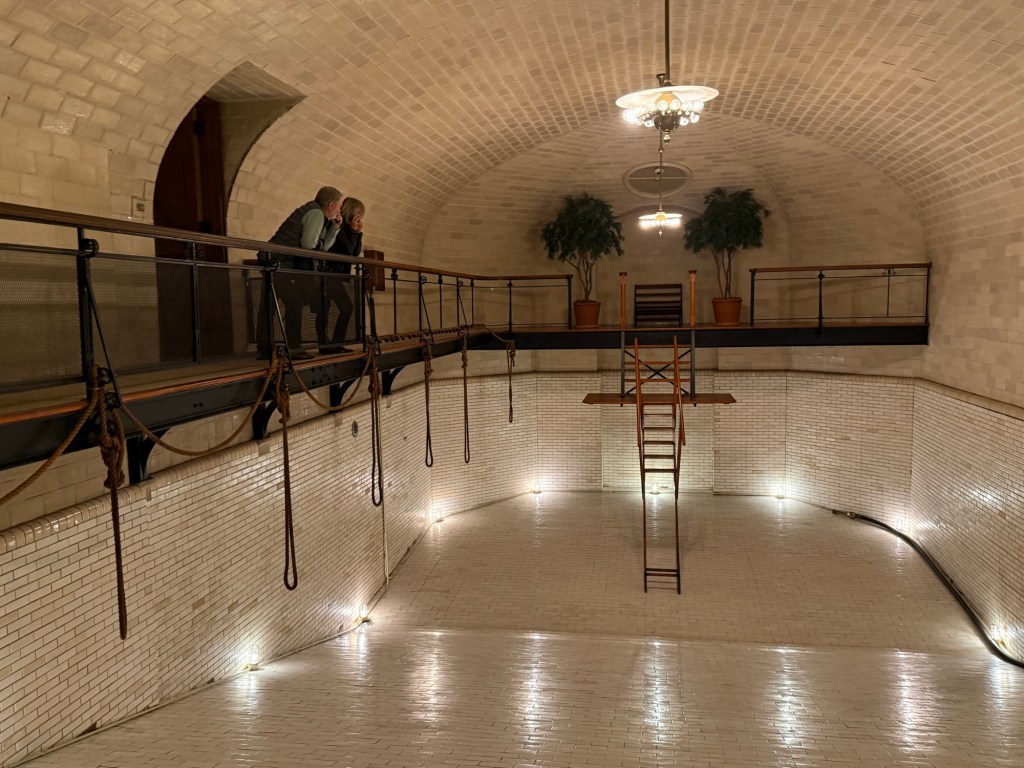
Just beyond the bowling alley, the indoor swimming pool reflected George Vanderbilt’s love of innovation and comfort. About 70 feet long and lined with white tiles, it once glowed under rows of small lightbulbs and was filled with heated water from the estate’s boiler system. The ropes stretched across the pool were for guests who couldn’t swim, giving them something to hold on to while wading or learning. Though empty today, it’s easy to picture the laughter and echoes that once filled this bright underground retreat.
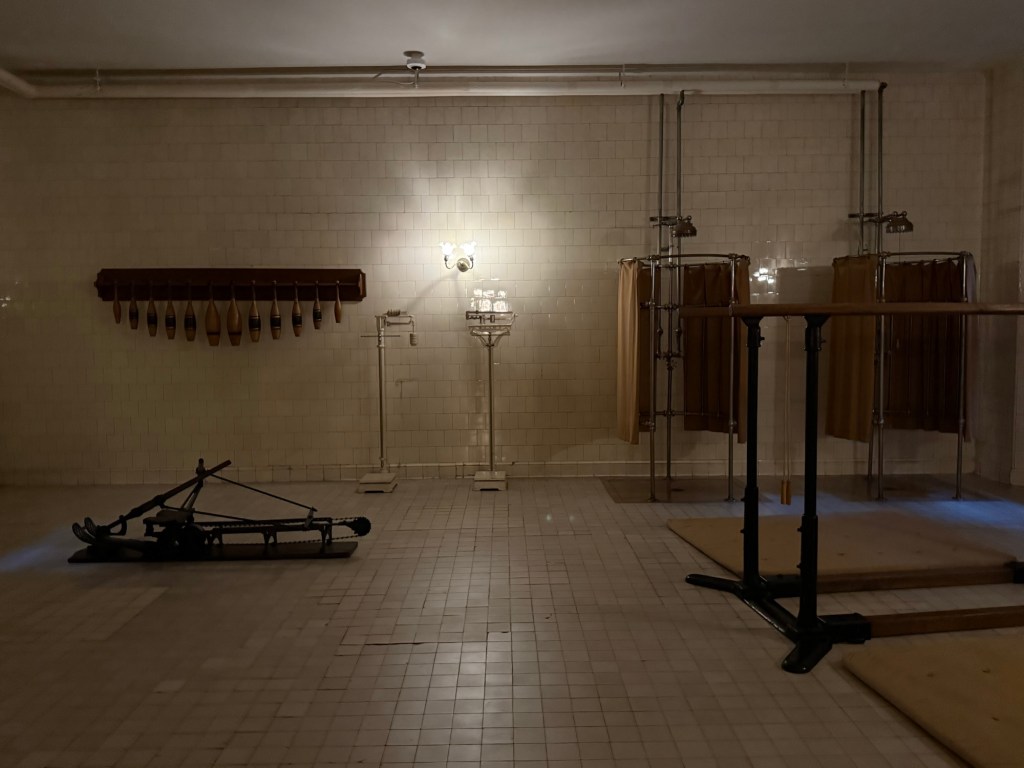
Next to the pool, the gym was considered world-class for its time, filled with equipment that looks surprisingly familiar today. There were rowing machines, medicine balls, balance rings, and pulleys for strength training—proof that fitness trends haven’t changed much in more than a century. It gave guests a way to stay active indoors, making the Biltmore basement feel like a private wellness club long before such spaces became common.
As Debbie and I looked at the head housekeeper’s room, we made up a story of our own. Debbie decided she must have lived here in a past life — not upstairs with the Vanderbilts, but down in the basement running the staff. We laughed as she slipped into character, scolding me with, “Carrie, how many times do I have to tell you to do this?” I rolled my eyes and said it’s probably something that would’ve actually happened, especially since she loves to cook and I don’t.
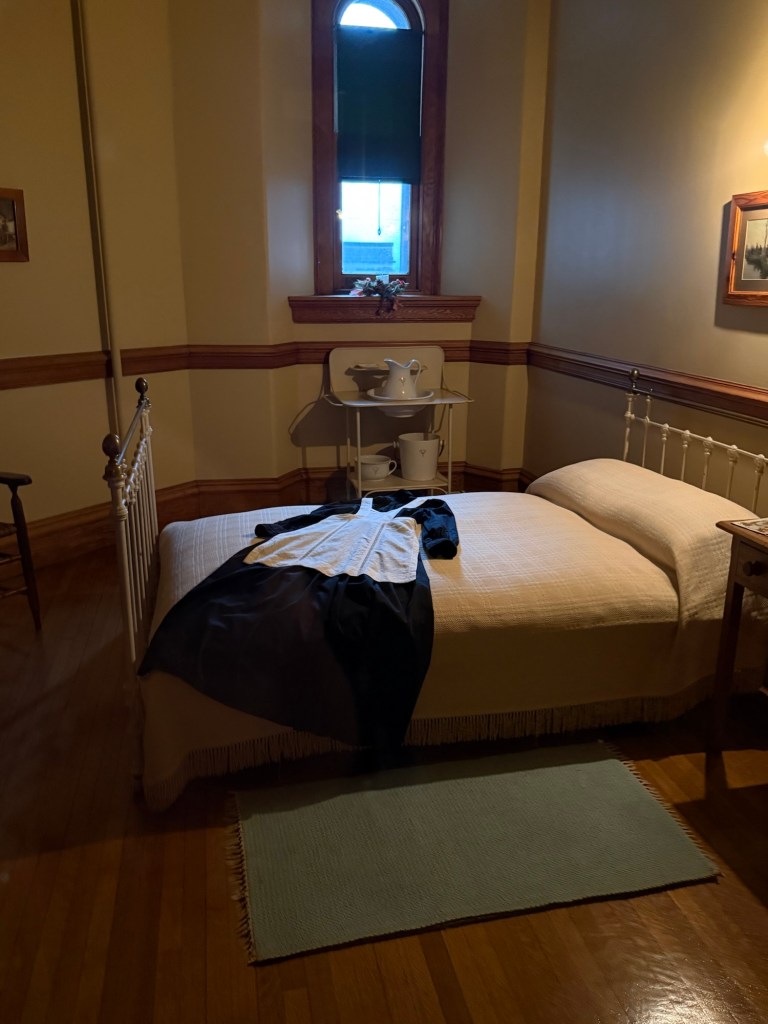
From here we wrapped up the tour with the kitchen, laundry, pantry and where the staff lived.
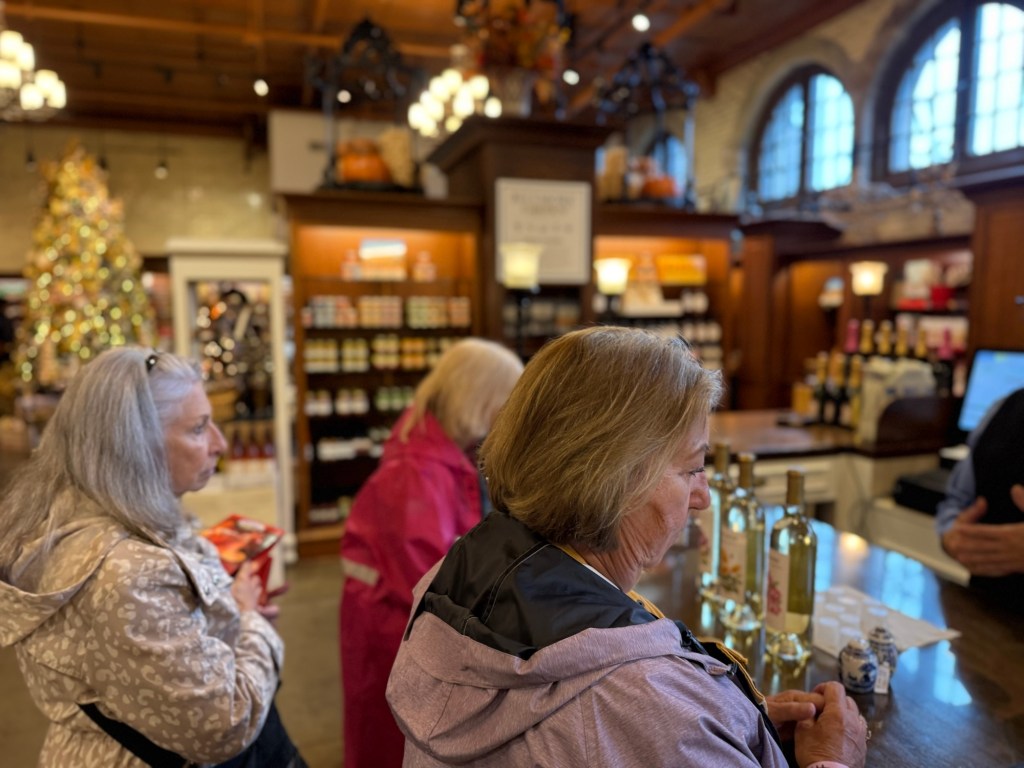
It was getting close to time to meet the guys for the wine tasting at Antler Hill Village, but we still wanted to explore the gift shops first. To our surprise, we discovered another wine tasting tucked inside one of the shops, so we told the guys to go on without us. Much to my surprise, we ended up finding a few dry reds we liked enough to buy — a happy little detour that turned into its own highlight of the day.
As we headed back to the car in the pouring rain, we couldn’t resist pausing for a few quick photos of the mansion and its sweeping front lawn — gray skies and all.


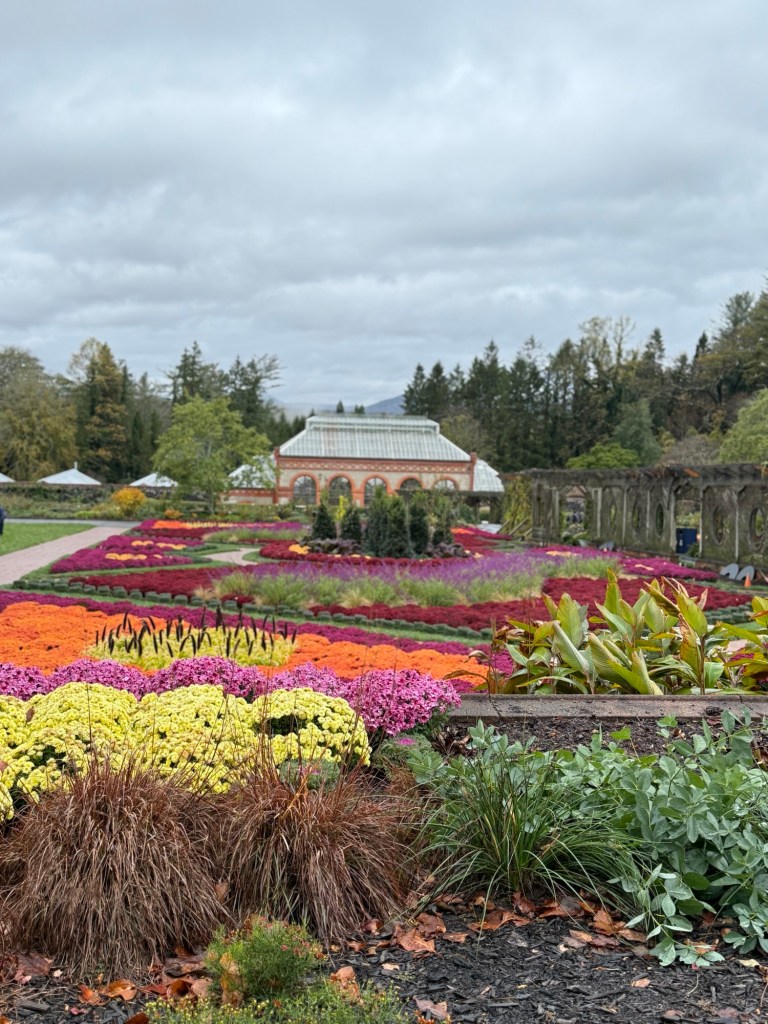
We drove through the estate, admiring the brilliant colors at the peak of leaf season and snapping a few more photos along the way. Just outside the gates, we drove through Biltmore Village to browse the boutiques.
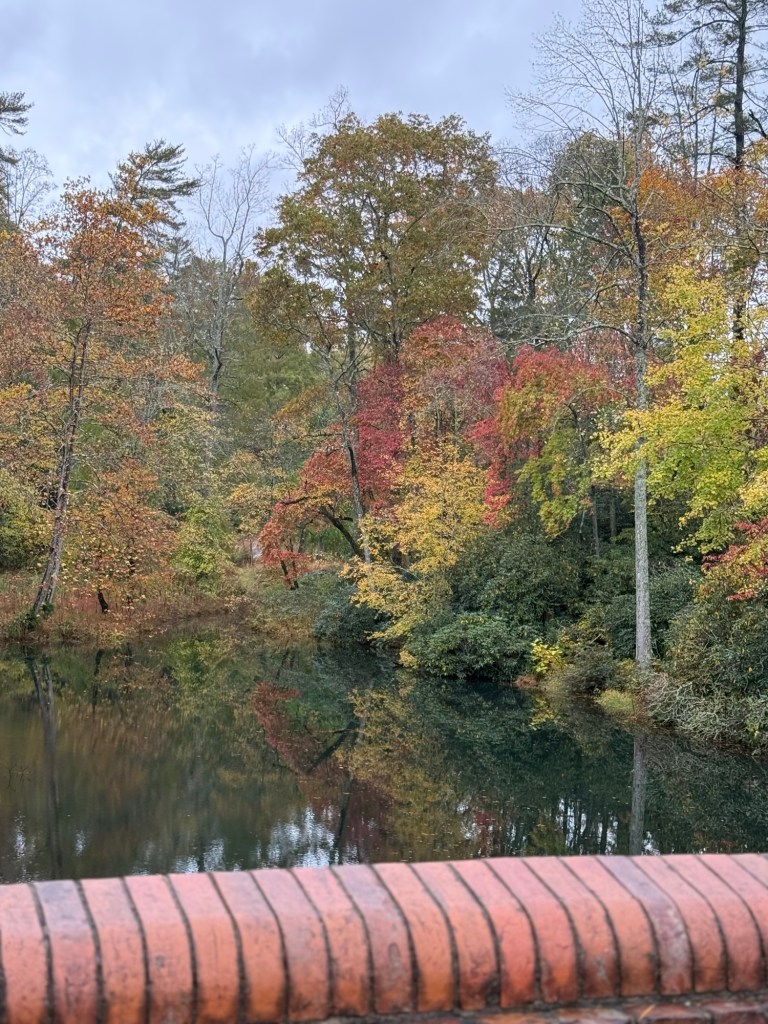
We made a stop at Spartina, where we met Patricia Strong, the area manager, and instantly hit it off. She works in apparel for their warehouse sale — my favorite event of the year — so I told her she just had to know me, and we both laughed. She told us a wild story about being bitten by a copperhead in Bluffton within this past year, then facing the devastation of Hurricane Helene, which caused the severe flooding that swept through Biltmore Village. She told us to look outside for the watermark, and we were stunned — she said the golf bags had floated to the ceiling, and everything had to be gutted and rebuilt. Despite it all, her spirit was upbeat and hopeful. She encouraged us to come back, visit the shops that have reopened, and check out Corner Kitchen nearby. We left wanting to support this resilient community and the people working so hard to bring it back to life.
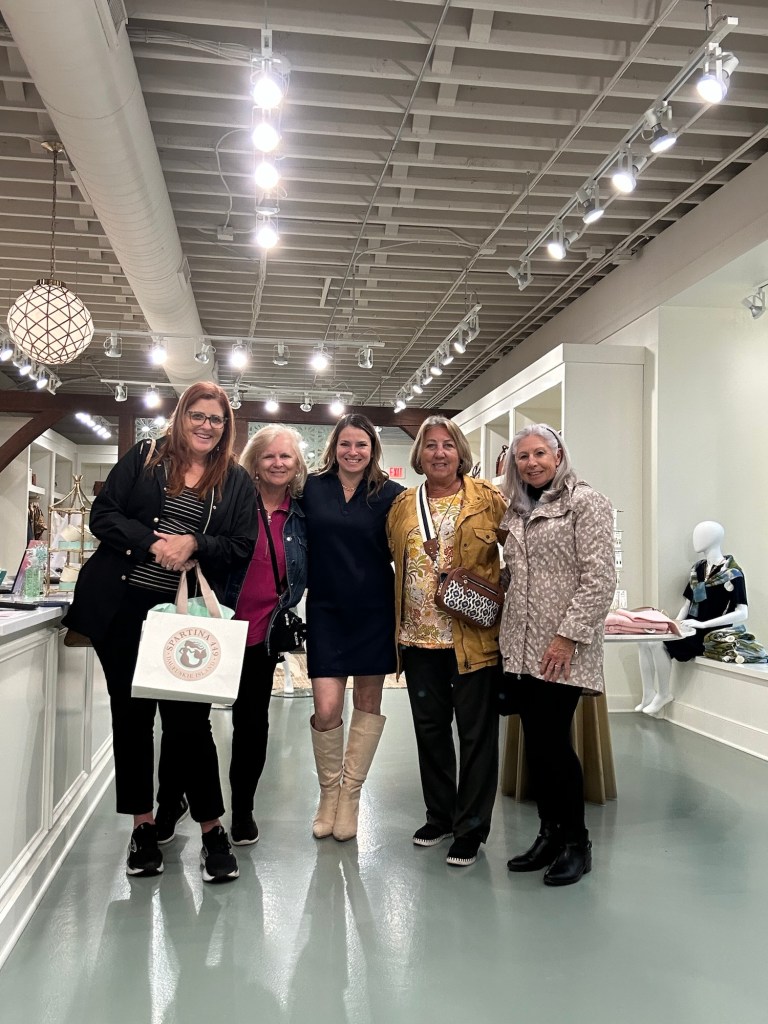
Dinner was at 131 Main in Biltmore Park, where we all met back up. Because the restaurant had replaced their large group table with a small round one that only seated five or six, we ended up splitting into two tables. As we left, I couldn’t resist suggesting they bring the big table back.
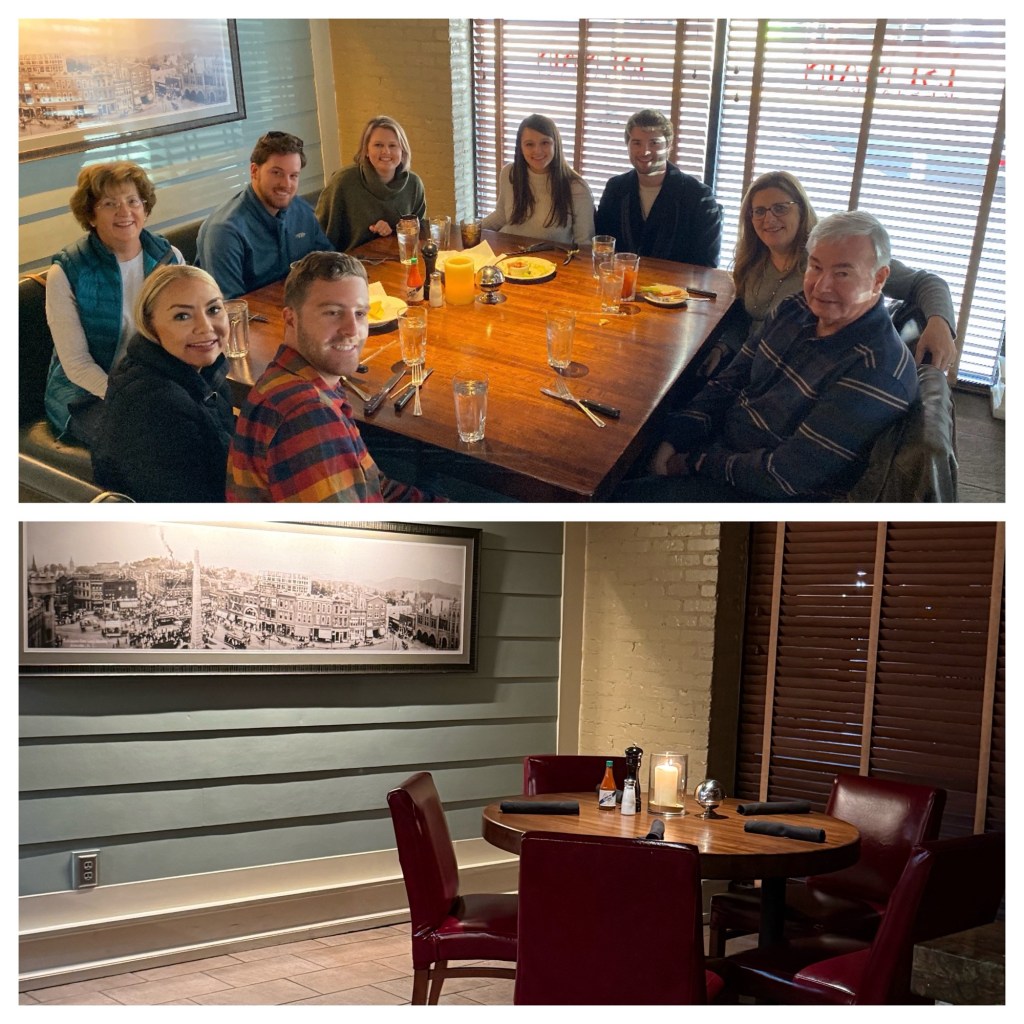
We wrapped up the evening back at the house. The guys tuned into the World Series and Monday Night Football, while we relaxed upstairs with the TV and updated the itinerary for the next day. Tomorrow calls for more rain, so we’ll need to stay flexible — and make the best of whatever the weather brings.
 Happiness is Possible